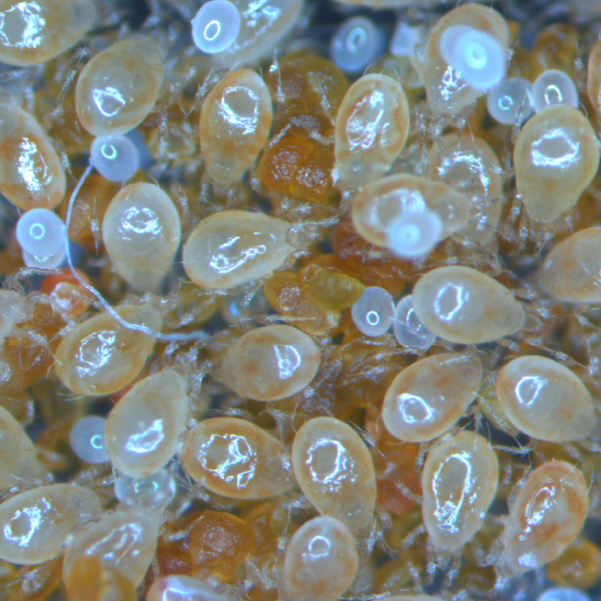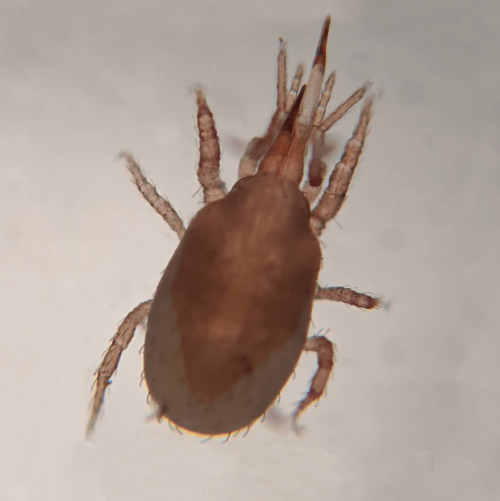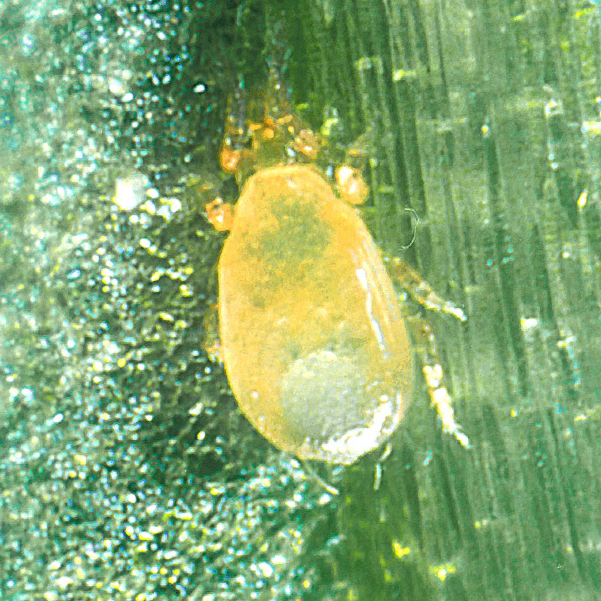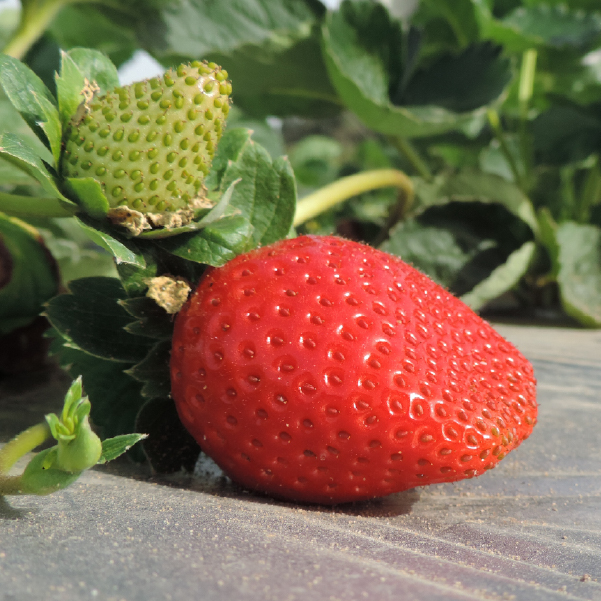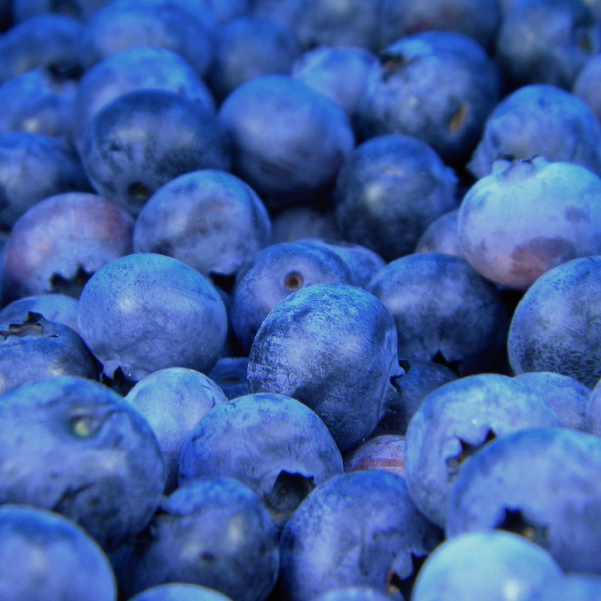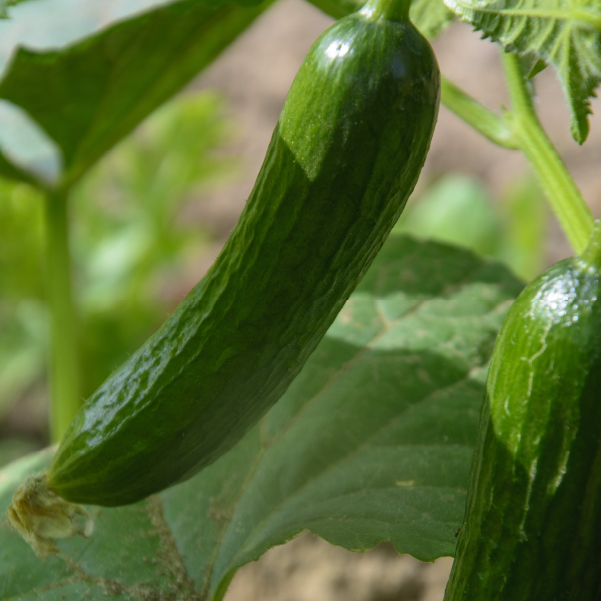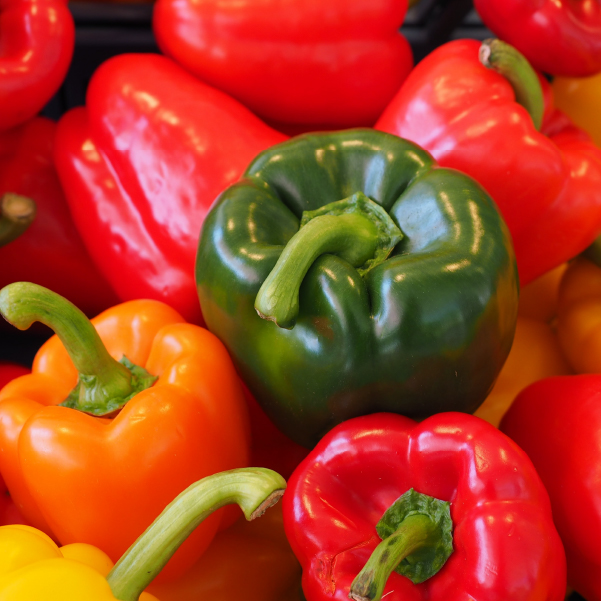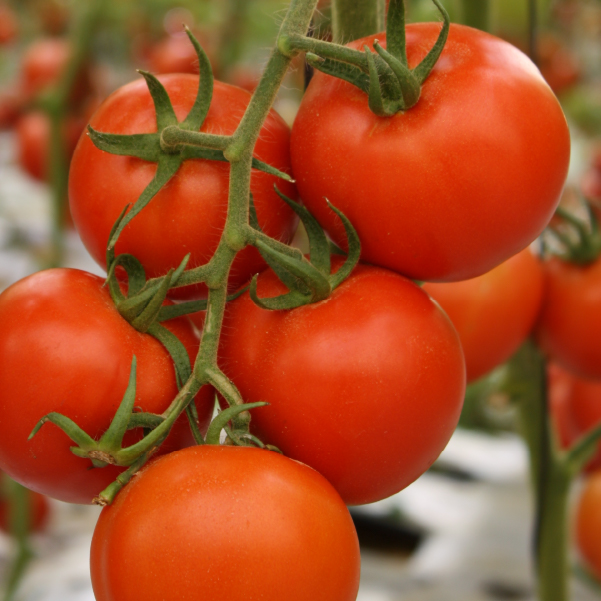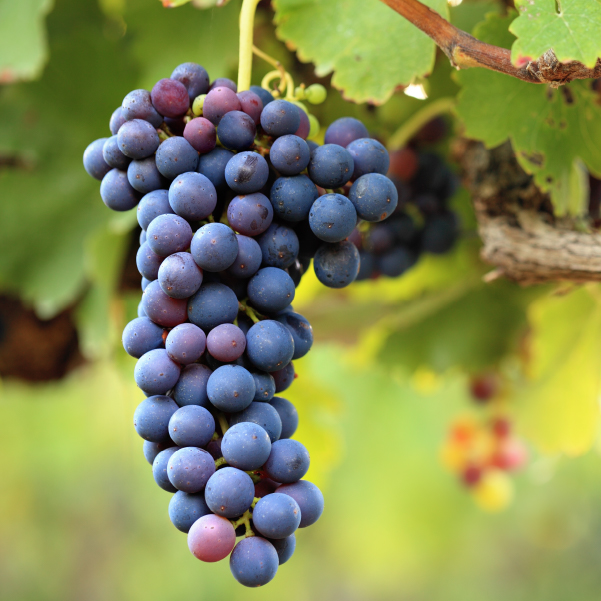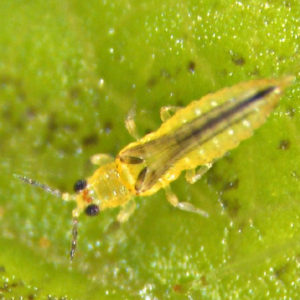


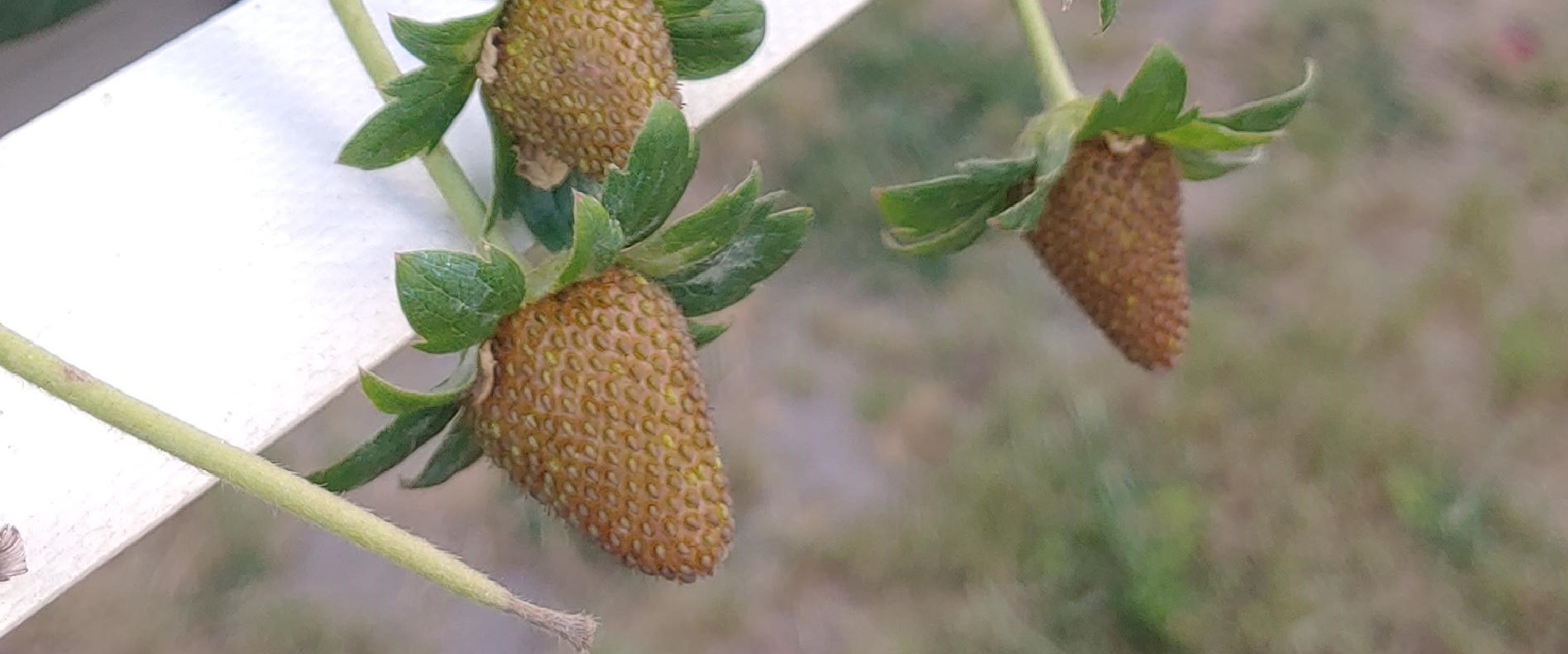
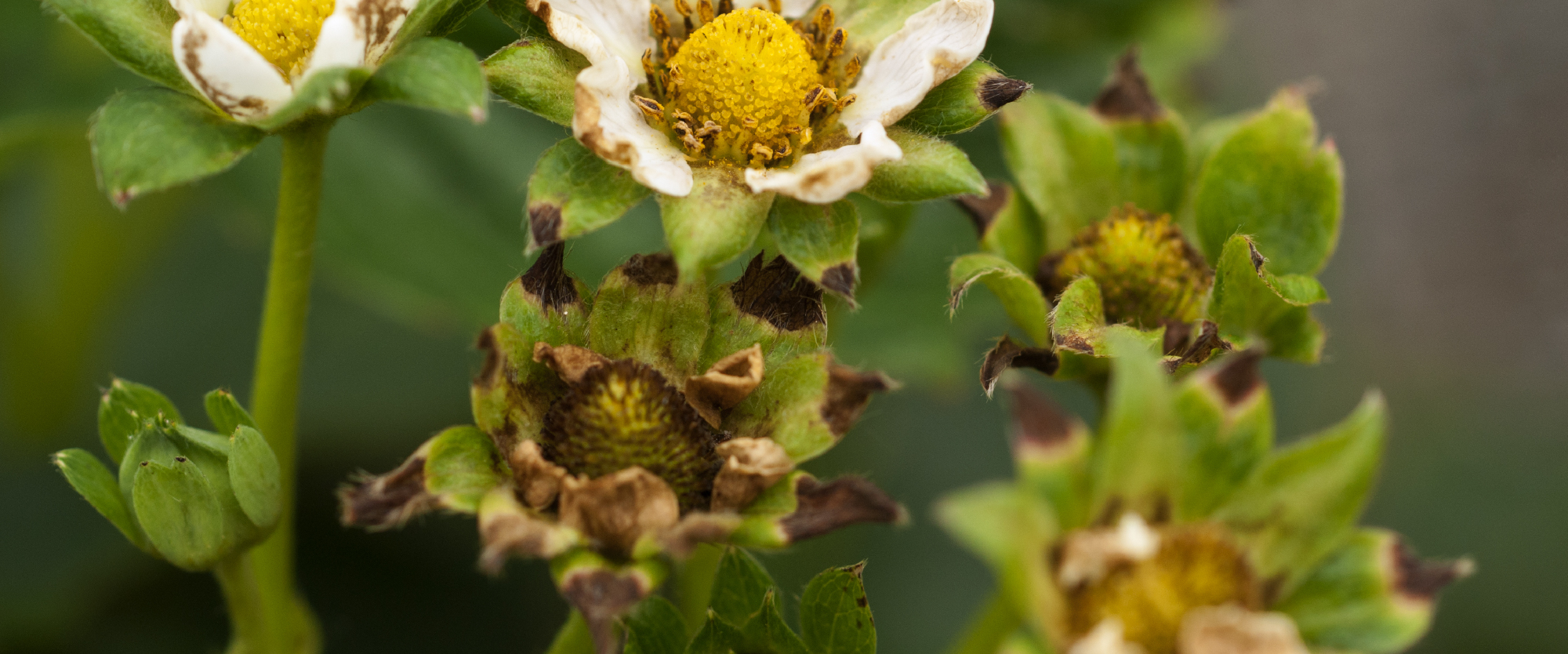
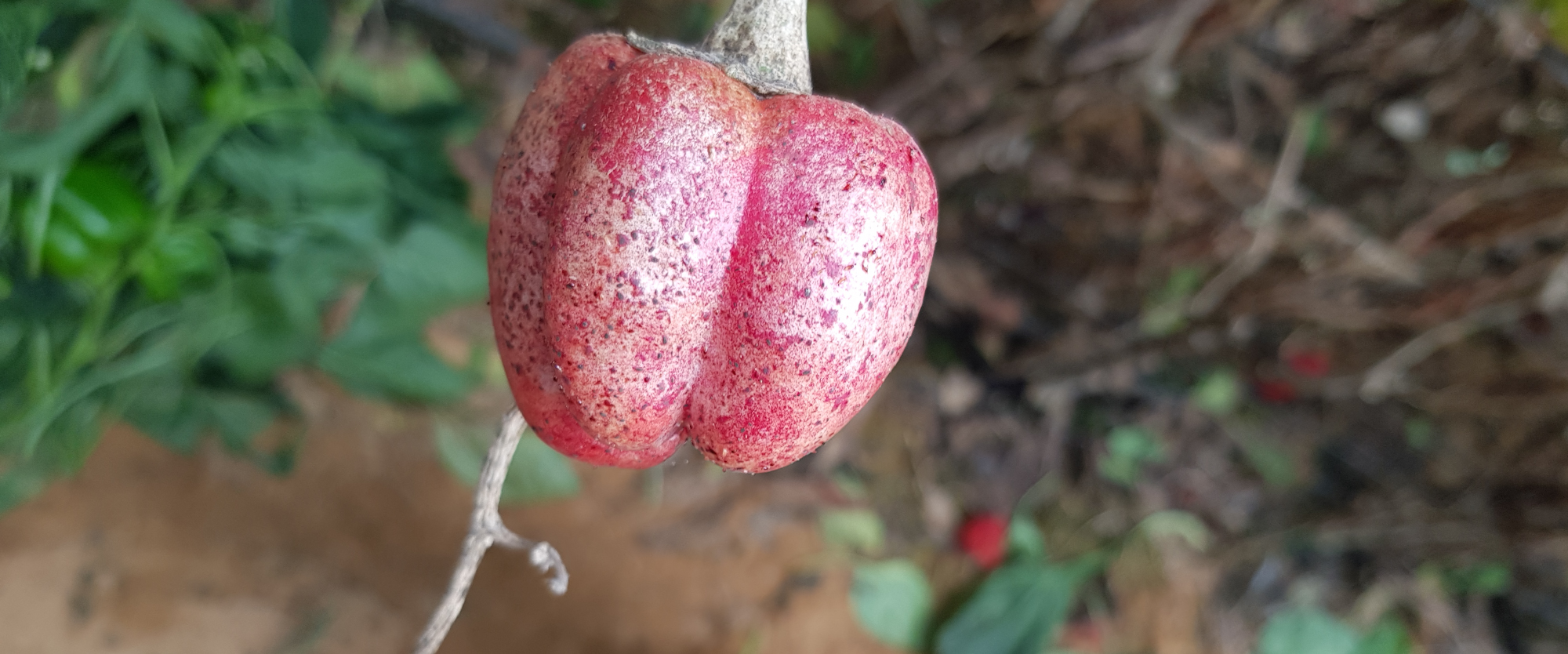
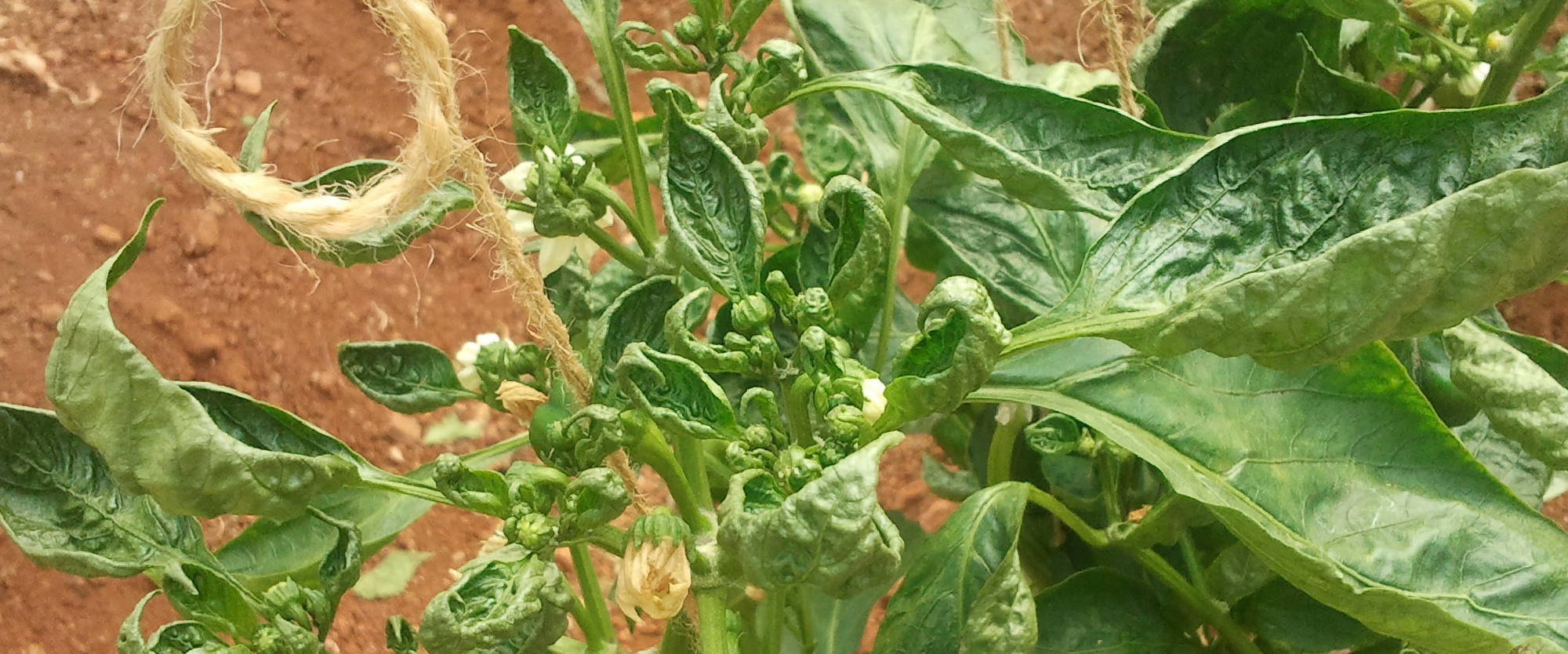
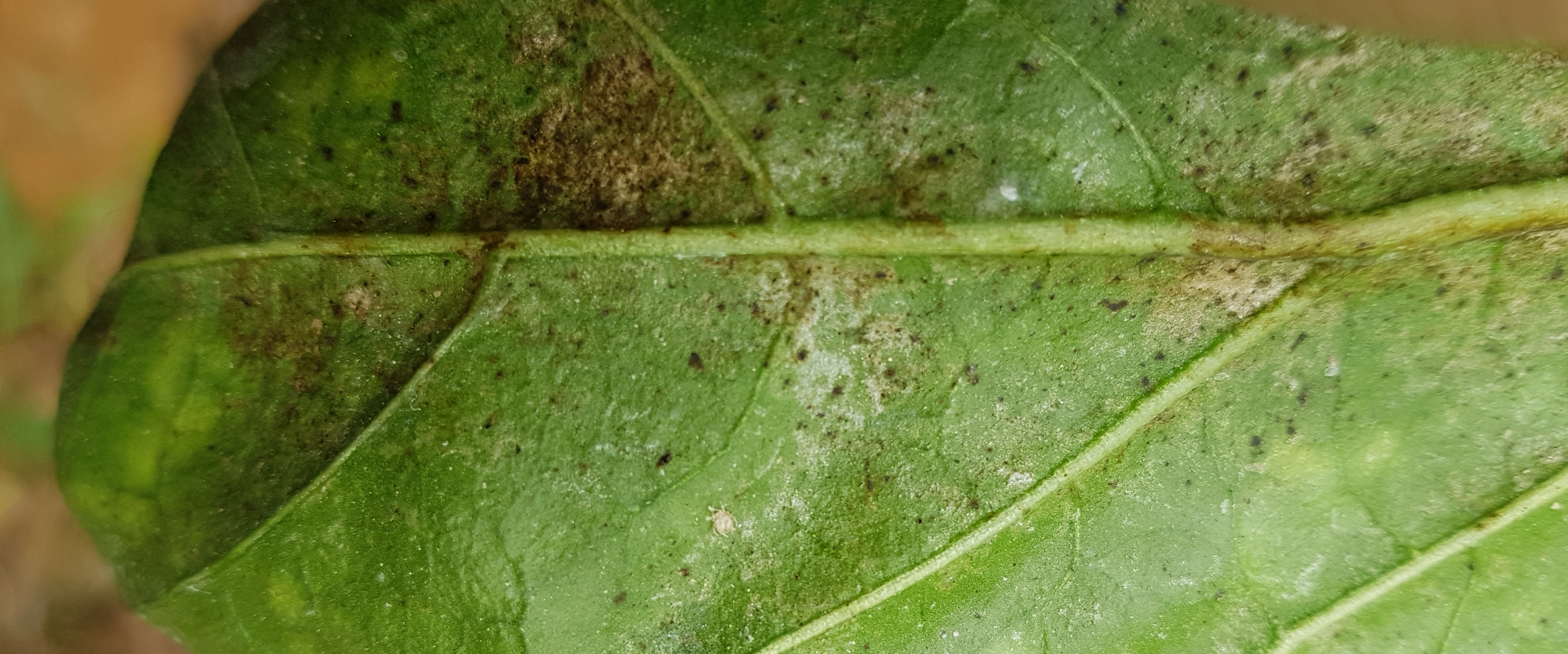
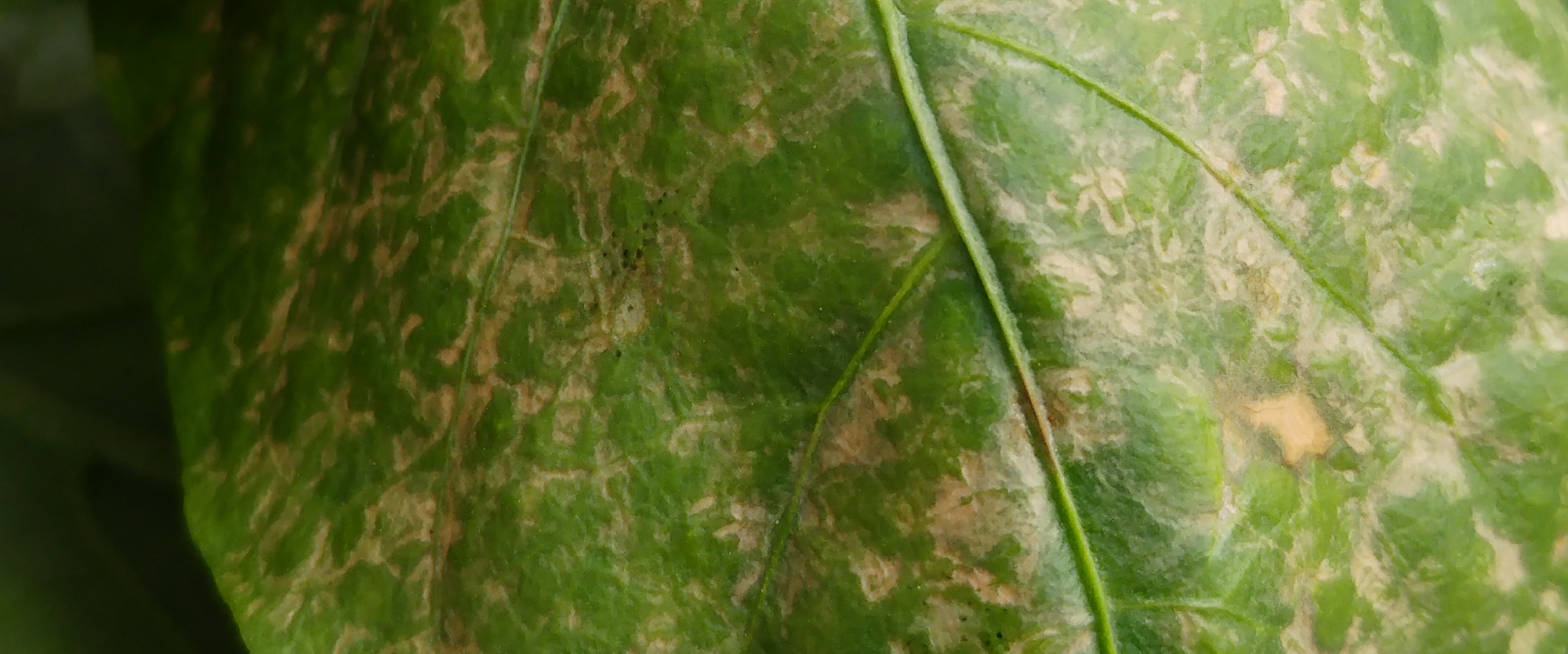
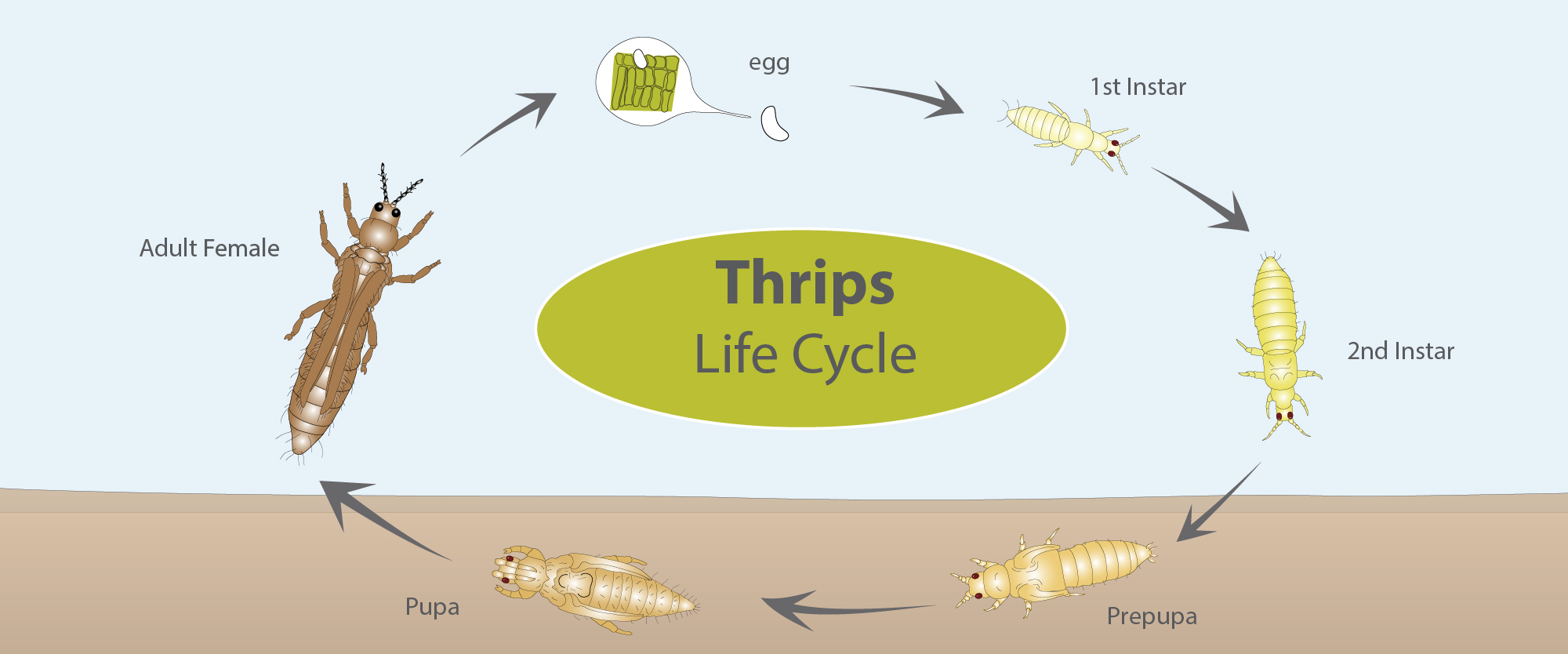
Chilli thrips (Scirtothrips dorsalis) is a widely distributed pest with a broad range of host plants, including pepper, mango, citrus, strawberry, grapes, cotton, tea, blueberry and roses. The chilli thrips is a small insect (< 2mm) with a narrow body and tightly folded wings forming a dark stripe along the lower abdomen. Field identification is difficult both because of its size and the rapid movement. Adult chilli thrips are pale brown and may be found along leaf veins, in the plant crown, or on developing fruits. Females insert small eggs into soft plant tissue. The eggs and young larvae are creamy white, but older larvae turn yellow. Depending on the host plant, pupae of chilli thrips can be found in the soil or leaf litter, as well as on leaves, leaf axils, and under the calyxes of flowers or fruits.
In warm climates chilli thrips may breed throughout the year, while in cooler climates there is some evidence that it might overwinter in plant debris and become active again in spring.
Chilli thirps causes direct and indirect damage to its host plants by scratching their tissues and sucking sap.
Direct damage
Direct damage takes the form of chlorophyll content reduction and yellowing or browning of foliage, buds and fruits. High infestations can result in complete defoliation in some susceptible plant hosts.
Indirect damage
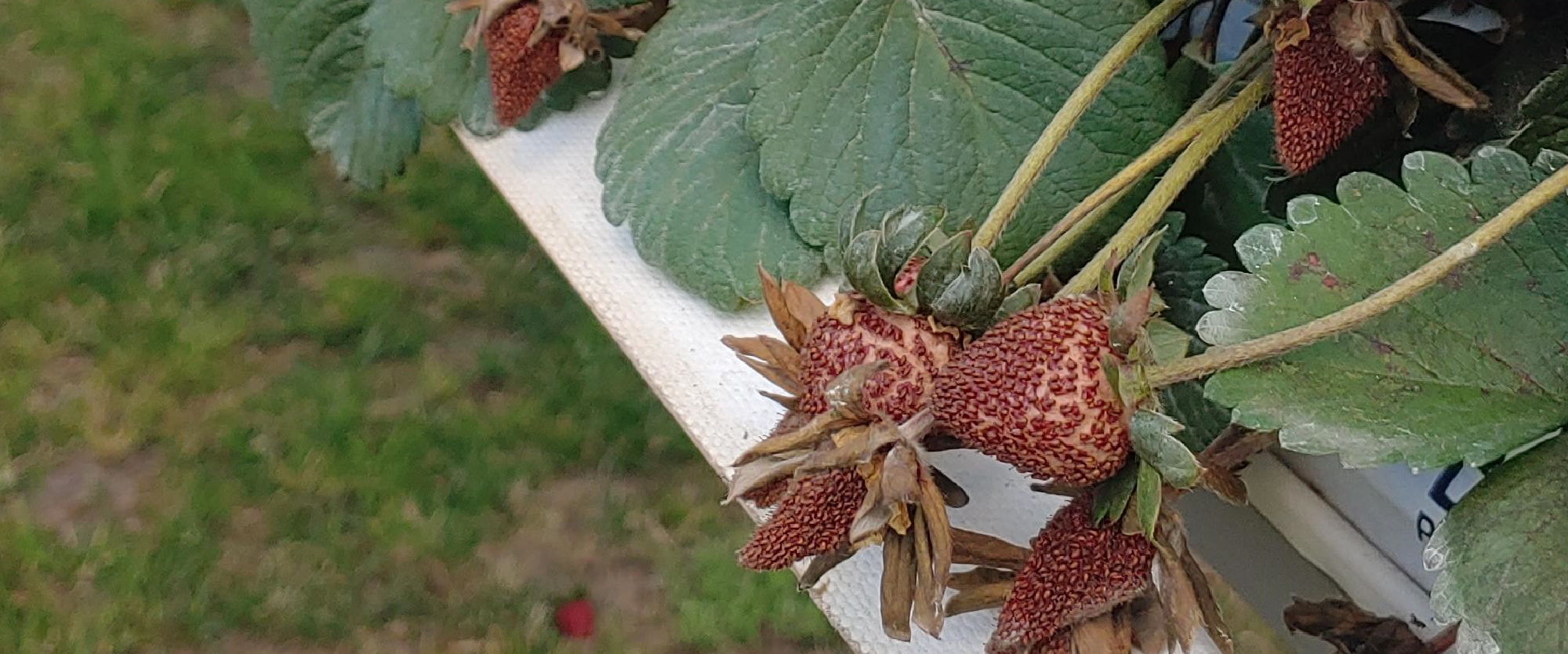
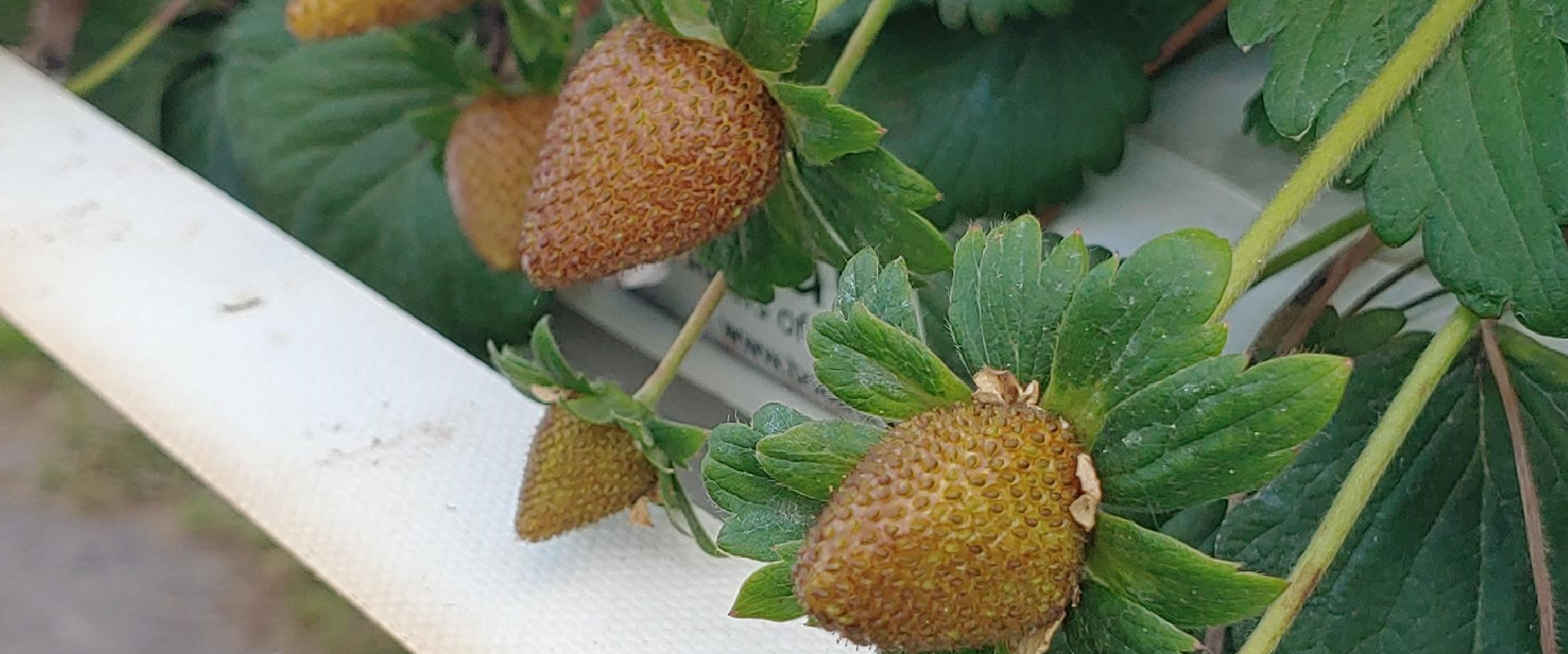
Indirect damage is caused in some crops by the transfer of a harmful viral disease including Groundnut bud necrosis virus, Peanut chlorotic fan-spot virus and Peanut yellow spot virus. Typical damage signs of chilli thrips include silvering in sweet pepper, bronzing in strawberry young leaves and fruits, malformation in cucumber and pepper, and small perforations in tomato. In addition, there is a decrease in yield as a result of the falling off of fruit.
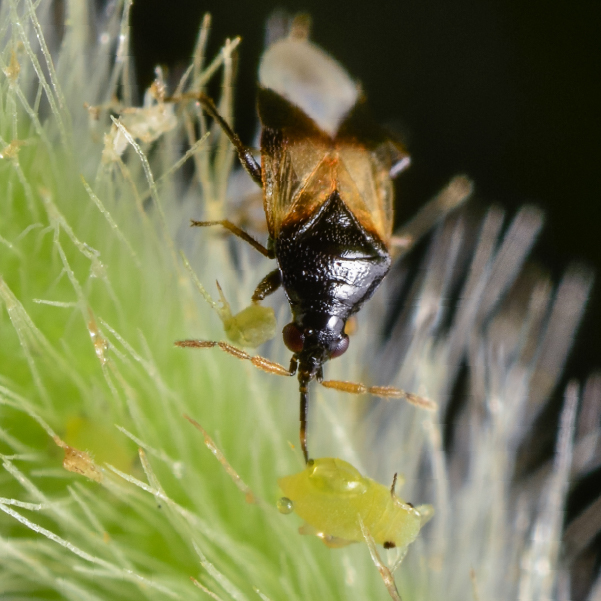
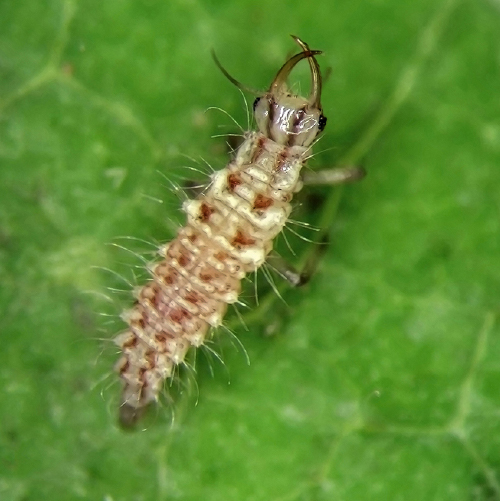
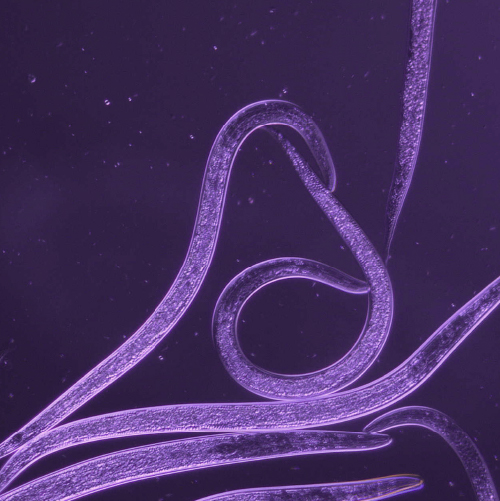
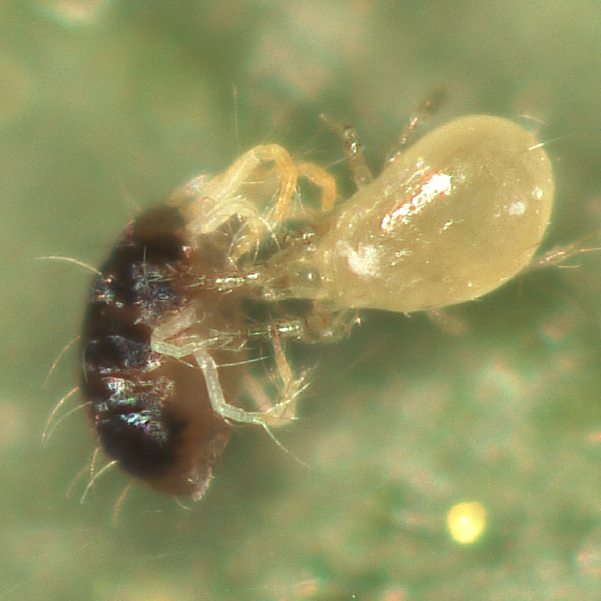
Natural Enemies
There are specific natural enemies for different species of thrips.
For more information contact your local BioBee field agent.