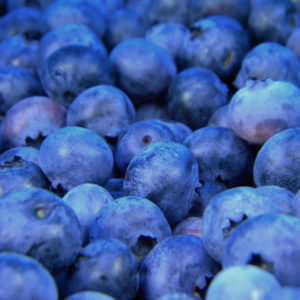
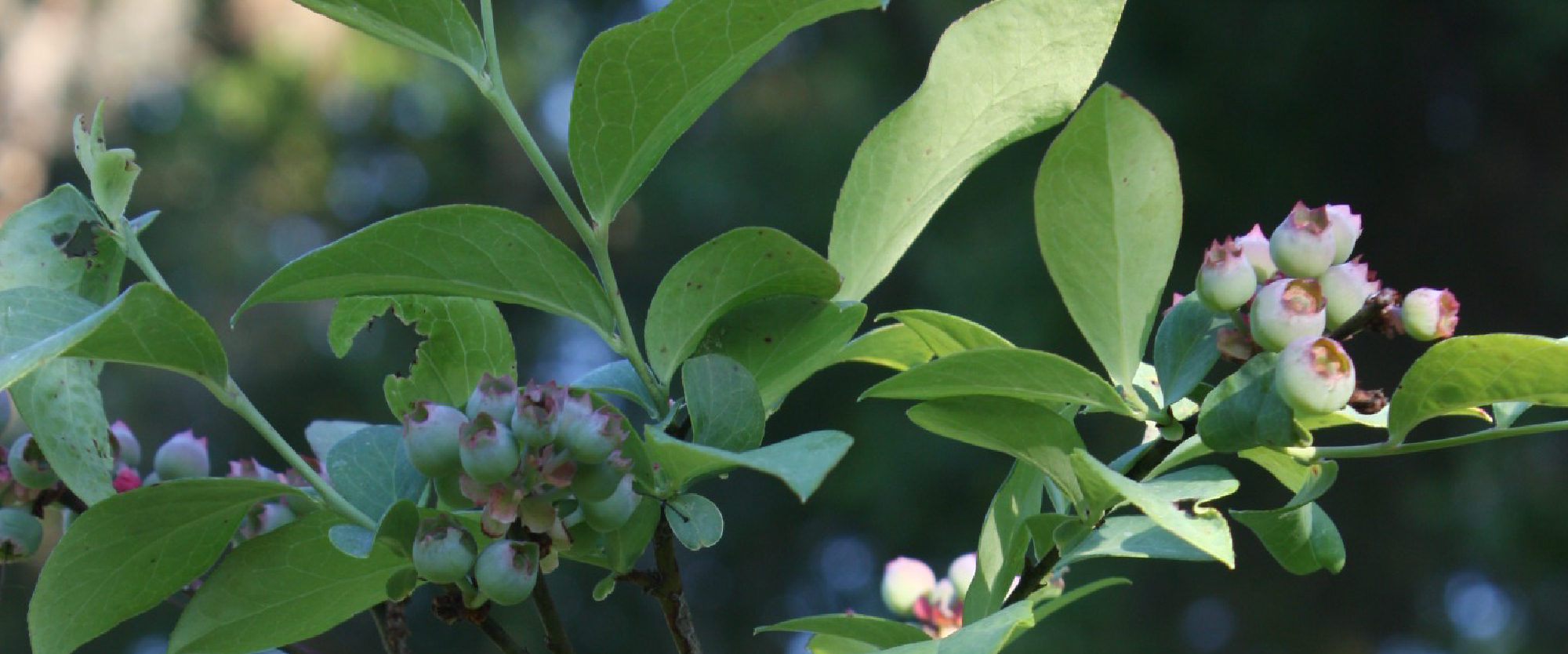

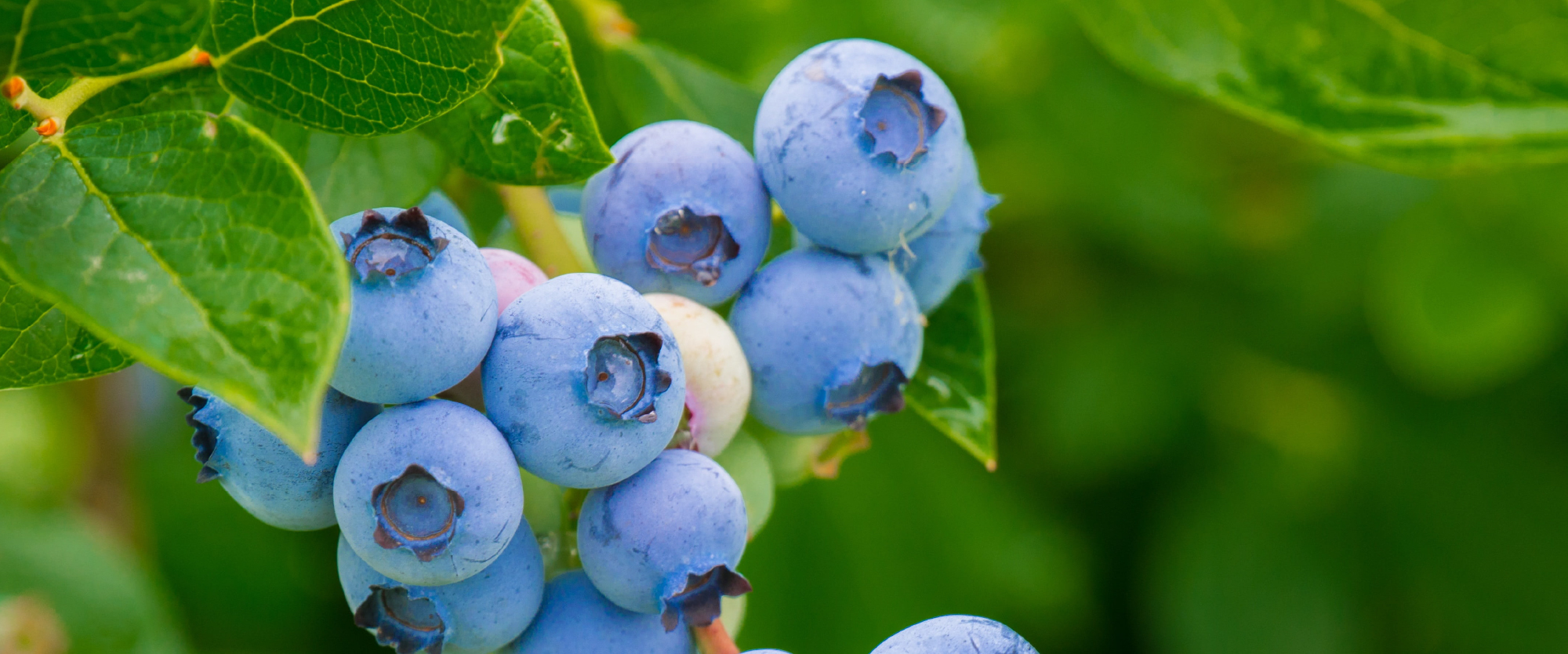

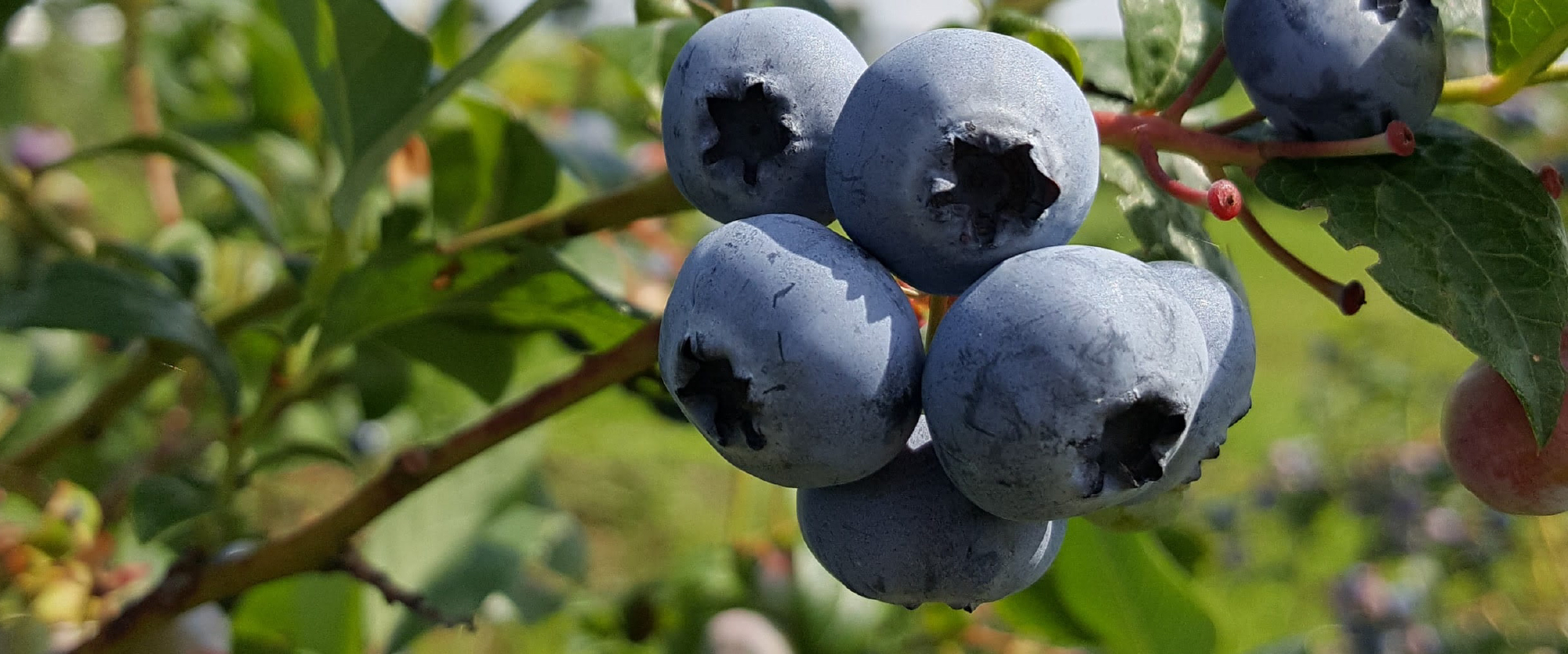

Blueberries are a (Cyanococcus vaccinium) group of perennial flowering plants with blue or purple berries.
Pollination
Blueberry flowers have poricidal anthers, which require the pollen to be shaken out through very small holes. Blueberries require bumblebees’ “buzz” pollination ( vibrations to release the pollen) to ensure higher quality and quantity. Yield and quality also depend on cross pollination and because bumblebees do not communicate with each other the chances of cross pollination (pollination to non-related plants) is much higher. Additionally, Bumblebees do not store honey like the honey bee, so they must forage daily. They can perform in cold, cloudy and rainy conditions and work very fast (4 times faster than the honey bee), which means that they visit many more flowers at any given time. They are very large (twice the size of a honey bee) and fuzzier, so every visit to the flower causes effective pollination.
Pests and diseases
BioBee’s approach to IPM is multifaceted, employing multiple strategies to achieve the optimal result. In addition to the gradual release of host-specific beneficial insects, BioBee recommends that growers use selective “soft” chemical pesticides. This strategy helps growers transition from using “harsh” chemicals, which are dangerous to the human population and the environment and have long-lasting residues. It has also been proven to increase marketable crop yield, and as a result, increases profits.
With BioBee, growers meet the strict legislation in Europe, the U.S., Japan and other countries regarding MRLs (maximum residue levels), as well as GAP (Good Agricultural Practices) requirements, including GLOBALGAP (a voluntary standard required by many supermarket chains in Europe). Produce grown with BioBee requires minimal pesticide use.
BioBee’s staff is extensively trained in the IPM method, and works directly with growers to produce a tailor-made IPM program to meet his or her individual needs. This customized program is successfully implemented with the ongoing oversight and guidance of BioBee’s staff.