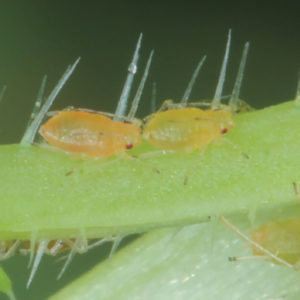
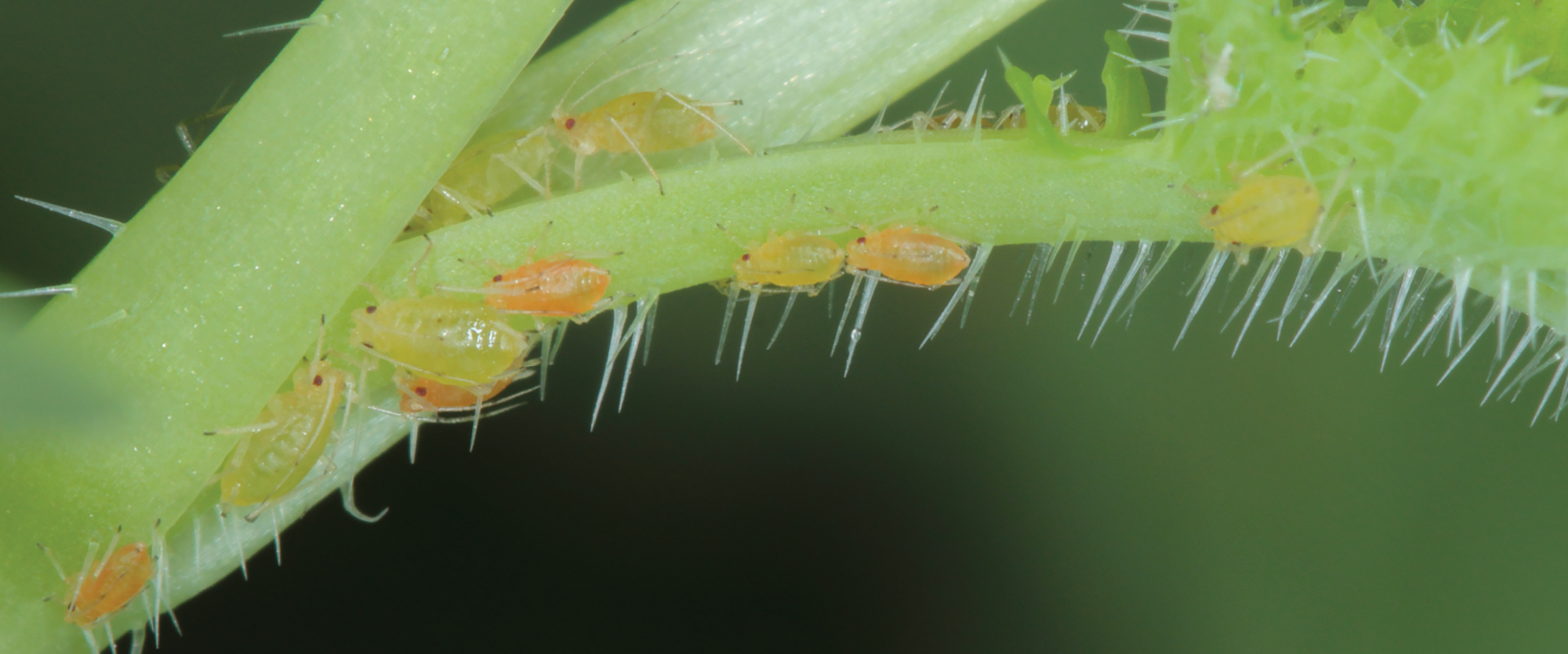
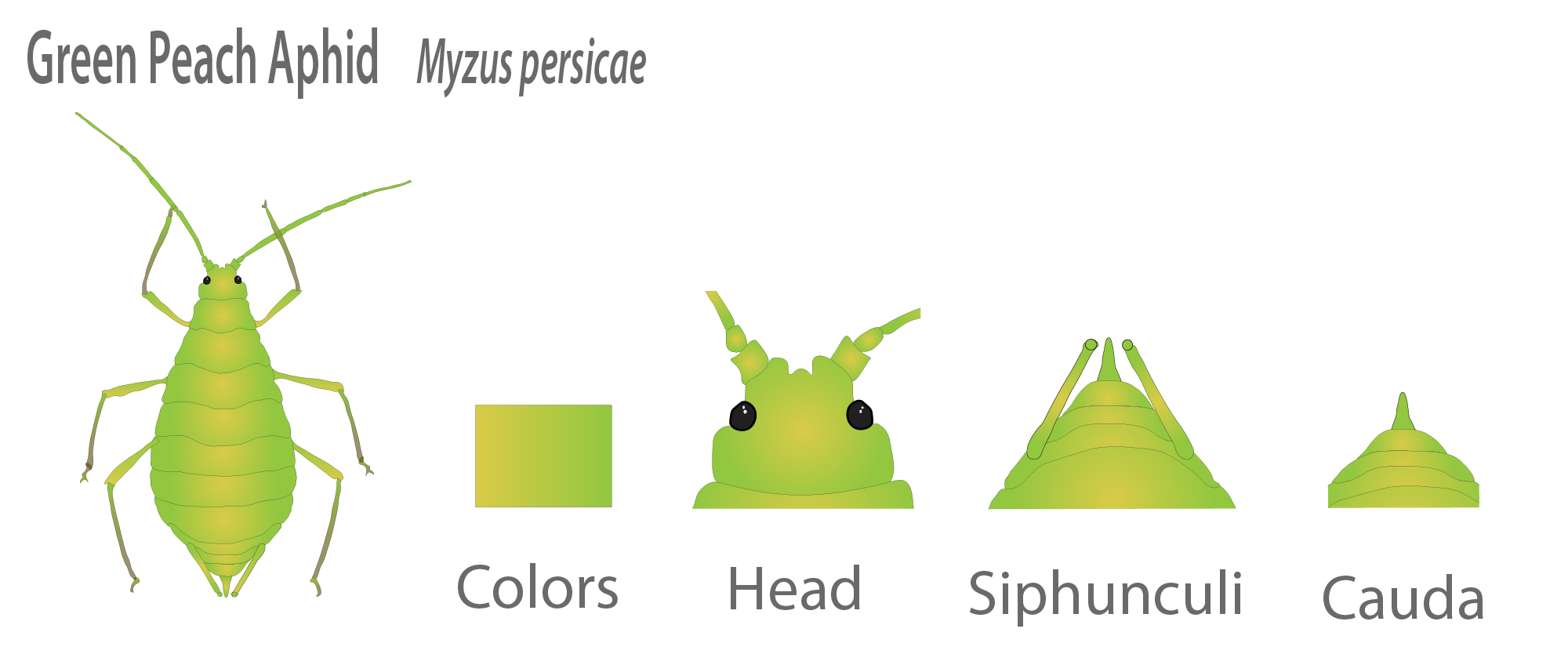
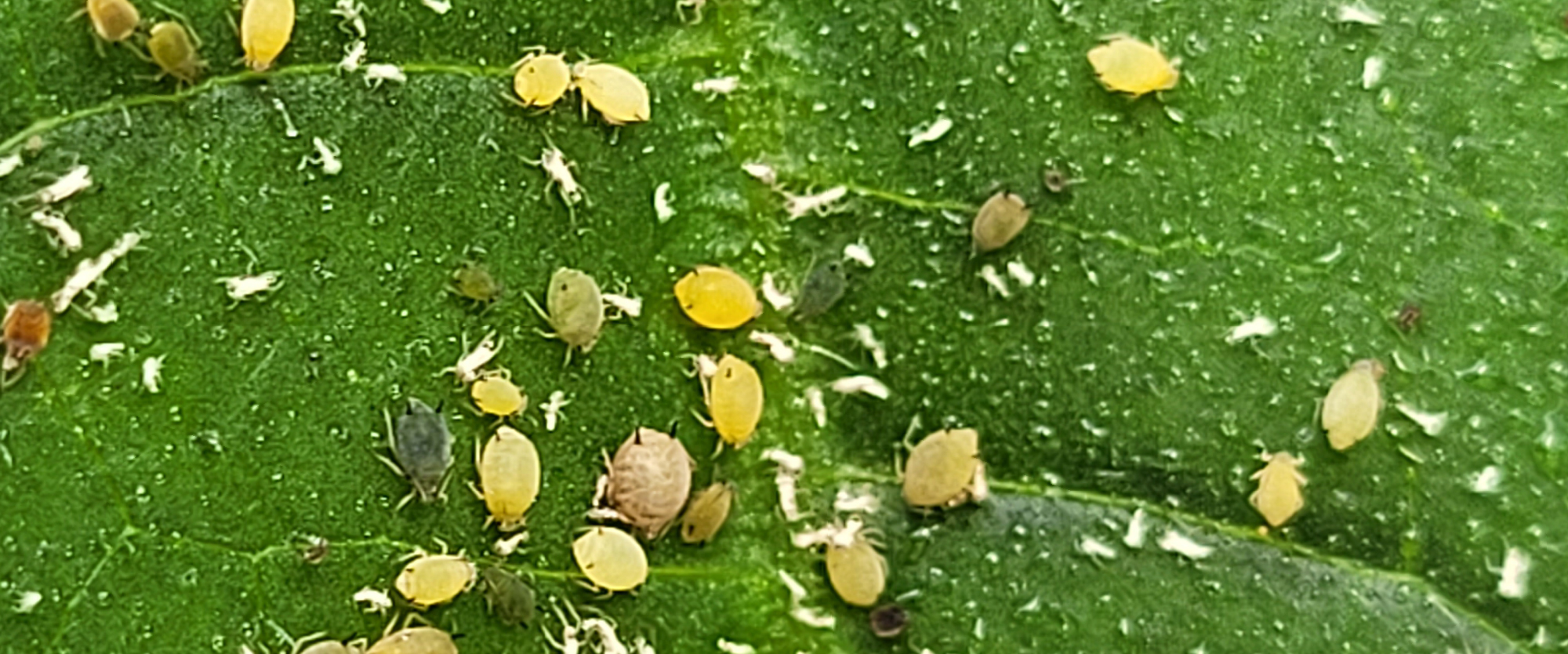
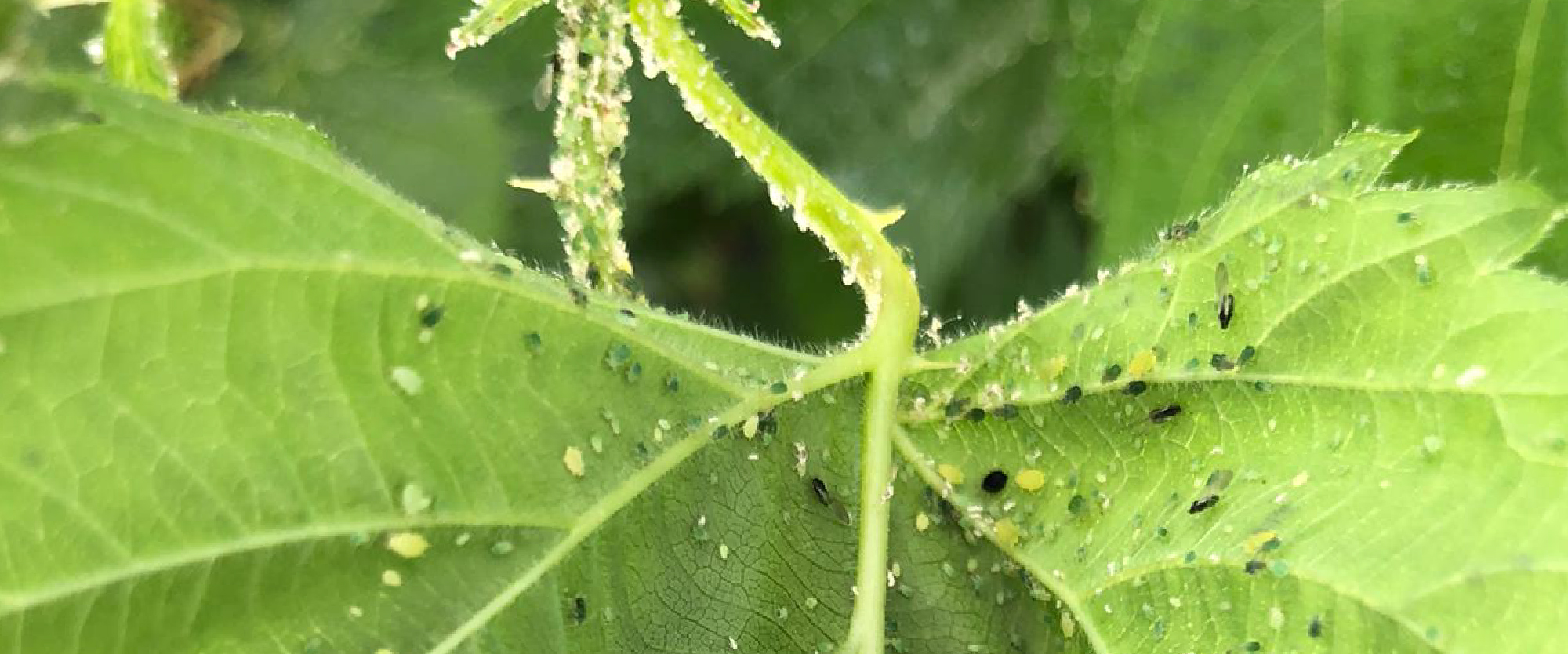
The green peach aphid (Myzus persicae) can be yellowish-green, red, or brown in color because of morphological differences influenced primarily by the host plants, nutrition and temperature. In colder conditions they are often darker. Myzus persicae have long antennae and their siphunculi are slightly swollen towards the tips and have a rather pointed cauda.
Damage
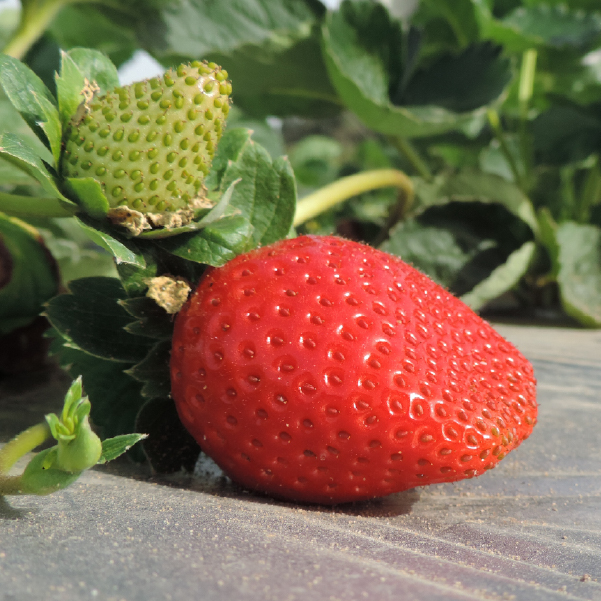
Adults and nymphs feed on plant sap disturbing the growth hormone balance. As a result, the plant’s growth is retarded giving rise to deformed leaves, meristems or fruit. If the infestation occurs early in the season, it may result in the death of young plants.
Aphids secrete a sticky honeydew on which black sooty mold (a fungal mold) develops. Plant sap has a low protein content but is rich in sugars. Aphids therefore need to extract large quantities of sap in order to obtain sufficient proteins. The excess sugar is secreted in the form of honeydew, making the crop and its fruit, sticky. Black fungal molds grow on the honeydew, contaminating fruit and ornamental crops and rendering them unsuitable for the market. Additionally, photosynthesis in the leaves is reduced, affecting production.
The aphid’s saliva can induce strong “allergic” reactions such as malformations of the growing tips. Aphid vector plant viruses (pathogenic organisms) can be transmitted to the plant. Cucumber mosaic virus (CMV) is an example. An aphid colony has a clear effect on a plant. A growing plant will translocate more resources to an affected part in order to maintain growth, which of course further advantages the aphid colony.
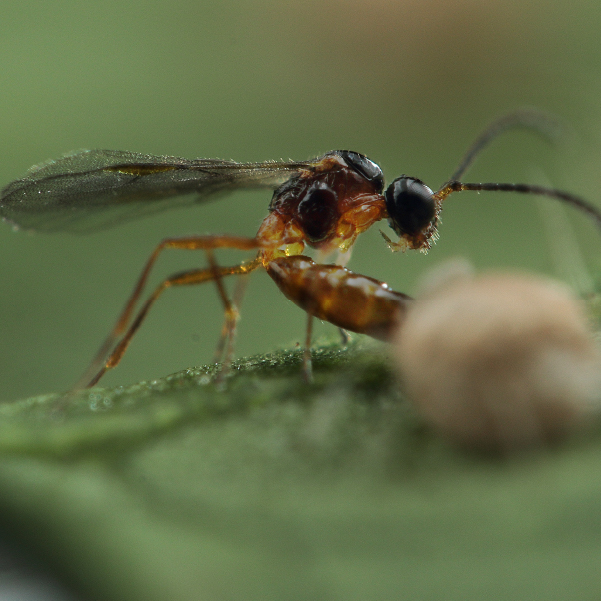
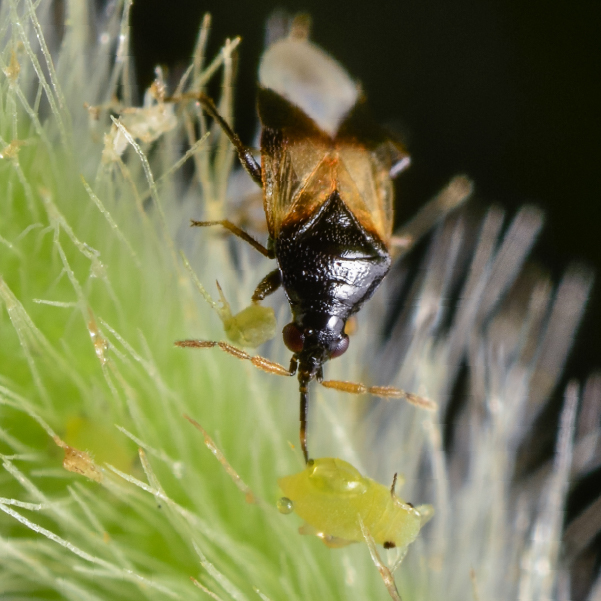
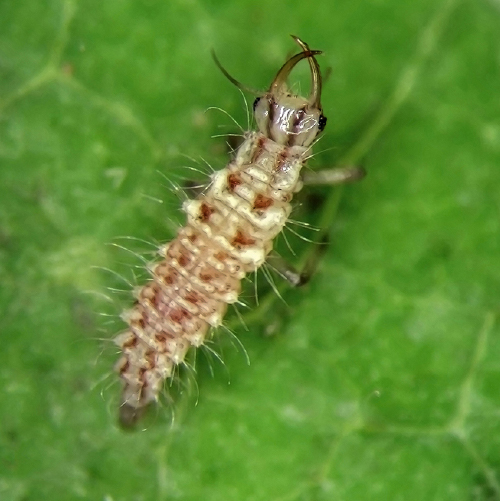
There are specific natural enemies for different species of aphids.
For more information contact your local BioBee field agent.