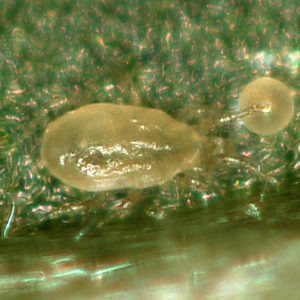

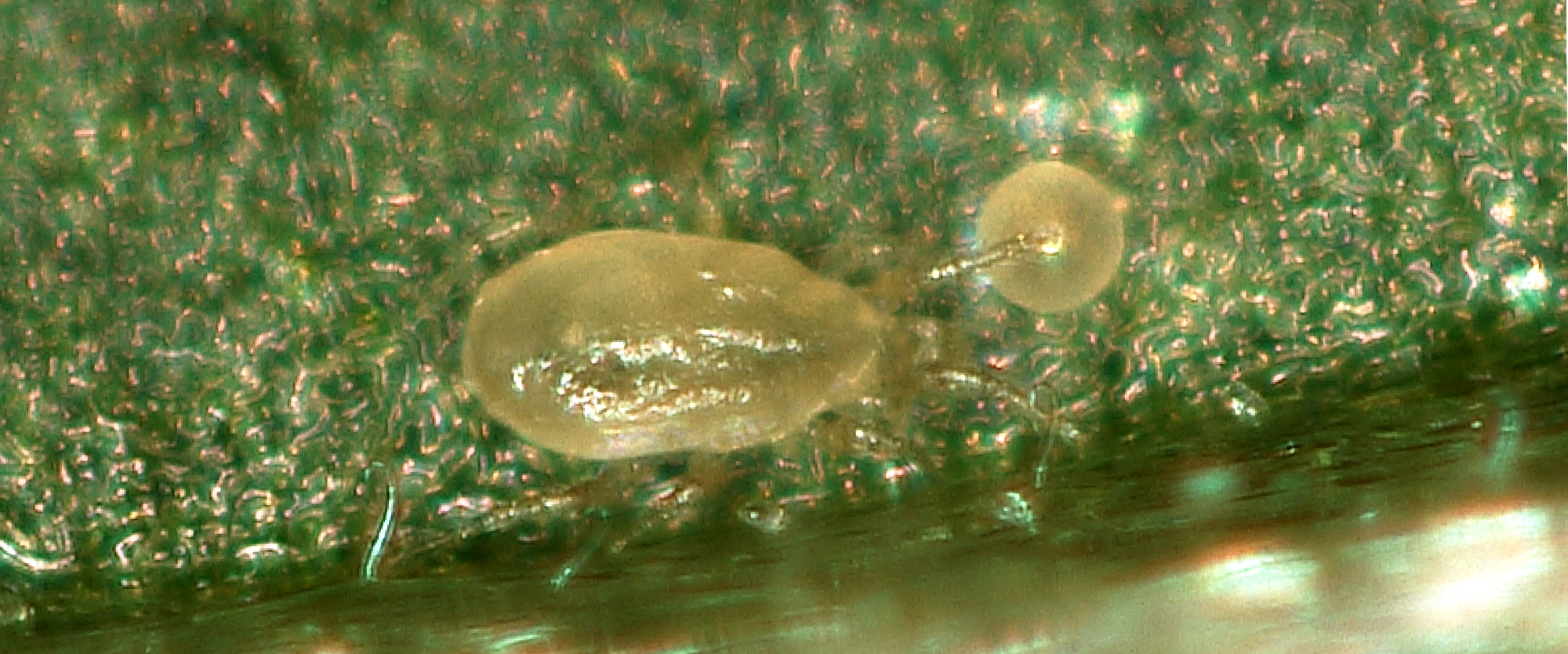


BioCalifornicus (Neoseiulus californicus) is an effective predatory mite of a wide array of pest mites.
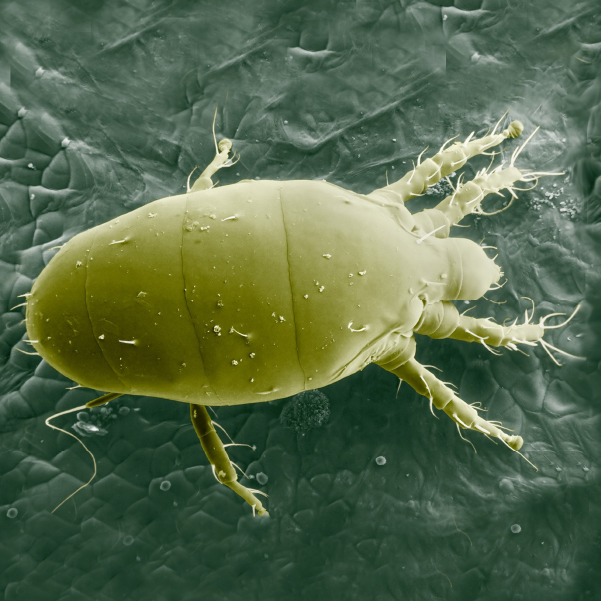
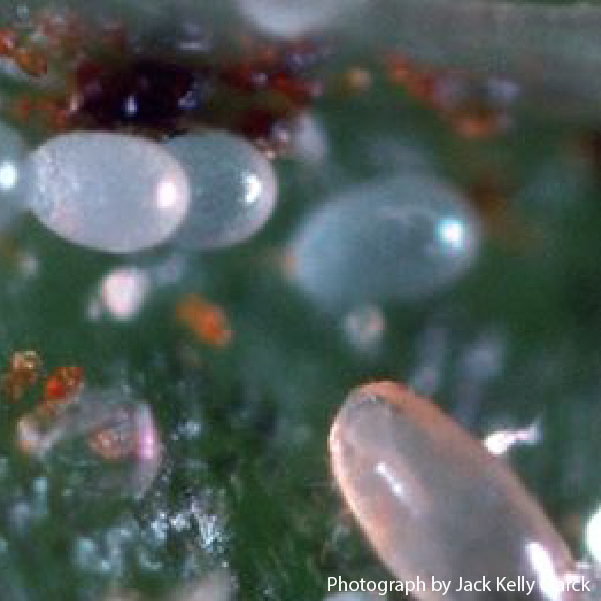
N. californicus is <1mm long, pear-shaped and buff to tan colored. Males are much smaller and darker brown than females, with females generally more numerous. Their eggs are oblong, transparent and white to dirty-white in color. The female lays oval, clear whitish eggs, singly or in small clusters on leaf undersides, often on leaf hairs or at the vein junctions. The rate of development from egg to adult is temperature dependent under greenhouse conditions and ranges from 4-10 days.
Neoseiulus californicus establishes well, even when pest numbers are scarce. It is able to feed on various species of prey and on alternative such as pollen. BioCalifornicus is highly tolerant to a wide range of temperatures, both high and low as well as to low humidity and dry conditions.
Consult with your local BioBee representative.
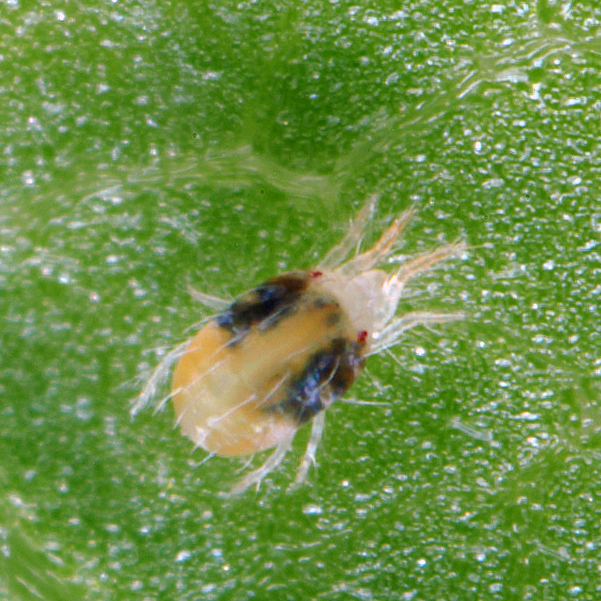
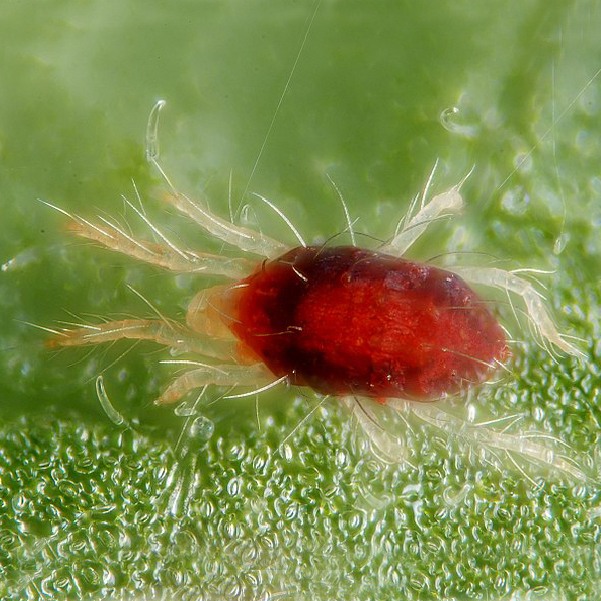
Target Pests
Product

BioCalifornicus establishes well even when pest numbers are scarce and is able to feed on various species of prey as well as on alternative feed such as pollen.
Highly tolerant to a wide range of temperatures both high and low and establishes well on trees and woody plants.
BioCalifornicus is available in bottles and sachet:
- 100 ml/500 ml plastic bottle, which contains 5,000/10,000/25,000 mites mixed with an inert carrier.
- Slow-release sachets, hung on plants: the sachets allow a prolonged release of BioCalifornicus mites without coming into direct contact with either the foliage or the fruit.
Download BioCalifornicus Product Page
Application
- BioCalifornicus is shipped in insulated, chilled boxes. Packaging must be kept intact until placed in the field.
- Keep in a cool location 16°C until release; do not put bottles in a refrigerator.
- The predatory mites should be released within 24 hours of receipt.
- Release BioCalifornicus in the early morning or late afternoon, when the temperature is milder.
- Remove the product containers from the box, one at a time and empty their content as quickly as possible.
- Before use turn, roll the bottle back and forth gently, to mix BioCalifornicus with the vermiculite.
- The predators are released by opening the lid and sprinkling the contents of the bottle on the leaves of the host plants, preferably in a shady area.
- The predators should be distributed evenly through the crop, on the foliage, with additional material at the end of the rows and in hotter/drier areas prone to spider mite attack.
- Do not expose the bottles to direct sunlight.
 BioCalifornicus chemical list BioBee 2024
Before combining BioCalifornicus with any chemical pesticide in the crop, please consult your BioBee technical field representative.




Storage
-

Recommended storage temperature
-

Do not store in sunlight
-

Apply early morning or late afternoon
-

Roll back and forth before use
-

Apply within 24 hours
-

Story horizontally
Disclaimer
BioBee Sde Eliyahu Ltd. produces and markets biological products. Production is carried out using innovative techniques under controlled quality assurance standards such as ISO 9001:2015, as well as IOBC’s international standards for mass-production of insects. All products are tested to meet specification requirements before leaving the factory.
The success of biological pest control is affected by the crop’s initial pest population (upon application of the product), weather conditions and chemical residue present in the crop, among other possible aggravating factors.
Under no circumstance shall BioBee be liable for the outcome of the implementation in the field, as it has no control over local conditions, the application method, or the possible improper treatment/storage of the product.